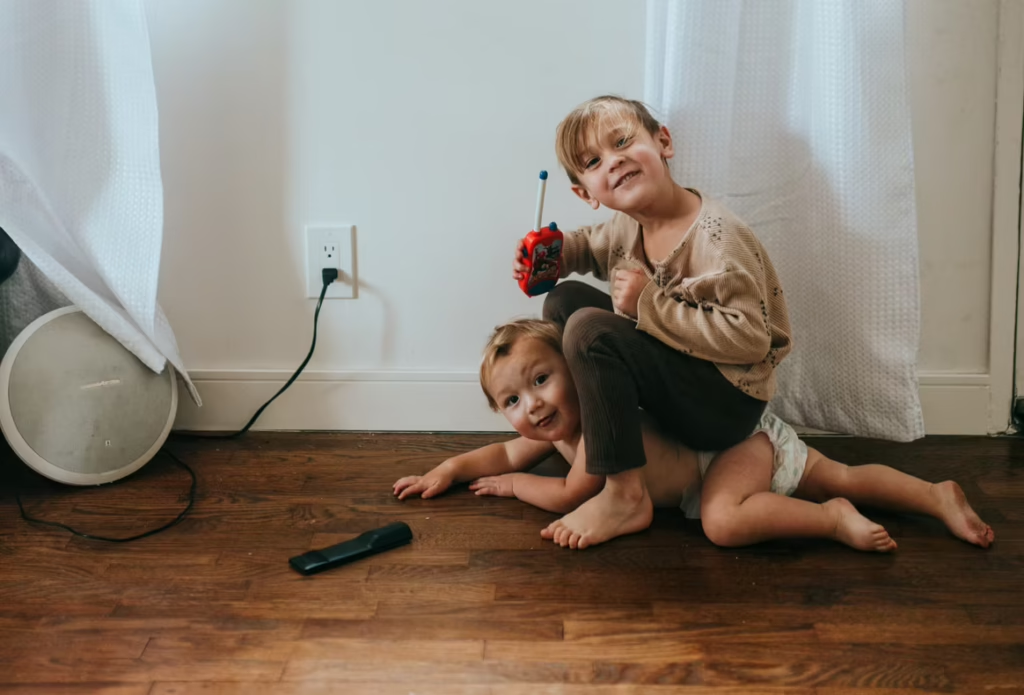

Woof, woof! Sibling rivalry is a common part of growing up, especially in homes with multiple children. At ages 7-9, kids are still learning how to navigate emotions and relationships. It’s normal for them to be competitive, especially over things like toys, space, or privileges. It can be tricky letting the kids work through disagreements on their own, and knowing how and when to step in.
Sibling rivalry can take as many forms as there are reasons for the fighting. A strained relationship between siblings can naturally occur due to differences in temperament, gender and age, as well as transition periods and family circumstances. The name-calling, tattling, stealing and breaking things that belong to the other etc., can also serve a larger purpose like getting attention, achieving a sense of control and/or removing boredom.
One way to reduce rivalry behavior is to show that it’s not the best way to achieve those goals. House rules can help establish what type of actions and words are used as a family. You can set expectations that coach your children in resolving differences and standing up for themselves. For example, a focus on using “I” statements, kind words and looking for solutions are great ways to build skills in managing disagreements. Teaching phrases like, “I don’t like it when you push me,” and “I feel upset when you take my toy” encourages the recognition and expression of their feelings and allows them to practice communicating clear boundaries instead of hitting back and/or throwing objects.
When a situation between siblings becomes difficult, it can be helpful to separate them and/or remove the object/activity of contention. Giving space for them to calm down before discussing the dispute can also ease upset feelings. Saying something like “I can see that you’re both angry. Being angry is okay! Let’s take a minute to cool off and then work together to find a way to share this toy fairly,” validates their frustration and reinforces the type of language you would like them to use with each other.
Encouraging activities where they can work together, like building a puzzle, making a craft and cooperative boardgames can also help to foster a more positive relationship between siblings. Try creating opportunities for your kids to bond outside the things known to spark conflict.
Many tail wags to you!