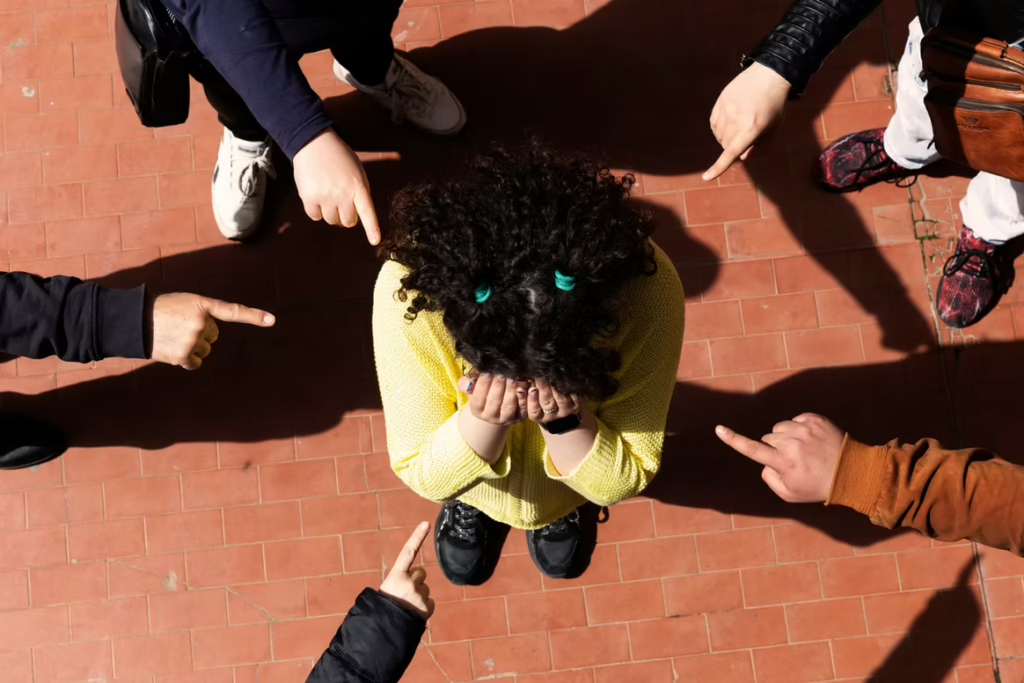

October is National Bullying Prevention Month. Bullying is something no child or parent wants to face, but understanding how to recognize it and respond can make a big difference in a child’s mental and emotional well-being. This Questions for Clem edition, tackles a parent’s concern about distinguishing bullying. Clem provides practical guidance on recognizing the signs of bullying and empowering children to respond safely.
Woof! Woof! Navigating the challenges that children face at school can be difficult, and it’s natural to feel worried when you hear they’re having a tough time. During their school years, many children will unfortunately experience or witness bullying. When addressing bullying, it is important for everyone to have a shared understanding of what bullying truly is and isn’t.
Not all incidences of conflict can be understood as bullying. It is common for children to have arguments and friendship fall outs. Bullying goes beyond occasional teasing or disagreements. It involves repeated, intentional harm, whether it’s physical, verbal, or social. For example, this could include exclusion or the spreading of rumors.
Signs of bullying can show up in various ways, including a reluctance to attend school, often seen as distress on Sunday nights or after holidays. Children might also experience unexplained physical complaints like stomach aches or headaches, or show behavioral changes such as withdrawal or acting out. Damage to belongings, like torn clothes or missing possessions, can also be an indicator. If you notice these signs, create a safe space for your child to talk. Gentle, open-ended questions such as, “Has anyone been bothering you at school?” can help them open up and feel heard.
When your child confides in you about being bullied, respond calmly and let them know that the situation can improve. Begin by listening and reassuring them that it’s not their fault and they have your support. Then, gather facts, details like names, dates, occurrences, and locations. To help your child with bullying, talk about the options for addressing situations. Go over the pros and cons of each, and let them pick what feels best. They could try avoiding the situation, telling an adult they trust, directly asking the bully to stop, or getting help from friends. Remind them that if they ever feel unsafe, they should immediately get out of the situation and tell a trusted adult. Let them know that seeking help from an adult isn’t tattling, it’s about staying safe and supported. Remind them, too, of the importance of spending time with friends who make them feel good about themselves.
To address bullying, also consider scheduling a meeting with your child’s teacher and reviewing the school’s policy. During the meeting, clearly explain the situation, recognizing it may be the teacher’s first awareness, and expect them to investigate and take action. Establish a follow-up plan with a reasonable timeframe for actions and document all communications, including dates, individuals involved, and discussions.
Bullying can feel overwhelming, but parents don’t have to face it alone. By staying informed, listening with empathy, and working closely with your child and school, you can help your child navigate these challenges safely and confidently.
Remember, every child deserves to feel safe and respected at school. Encouraging open communication and fostering supportive relationships makes a meaningful difference in every child’s well-being.
Many tail-wags to you,