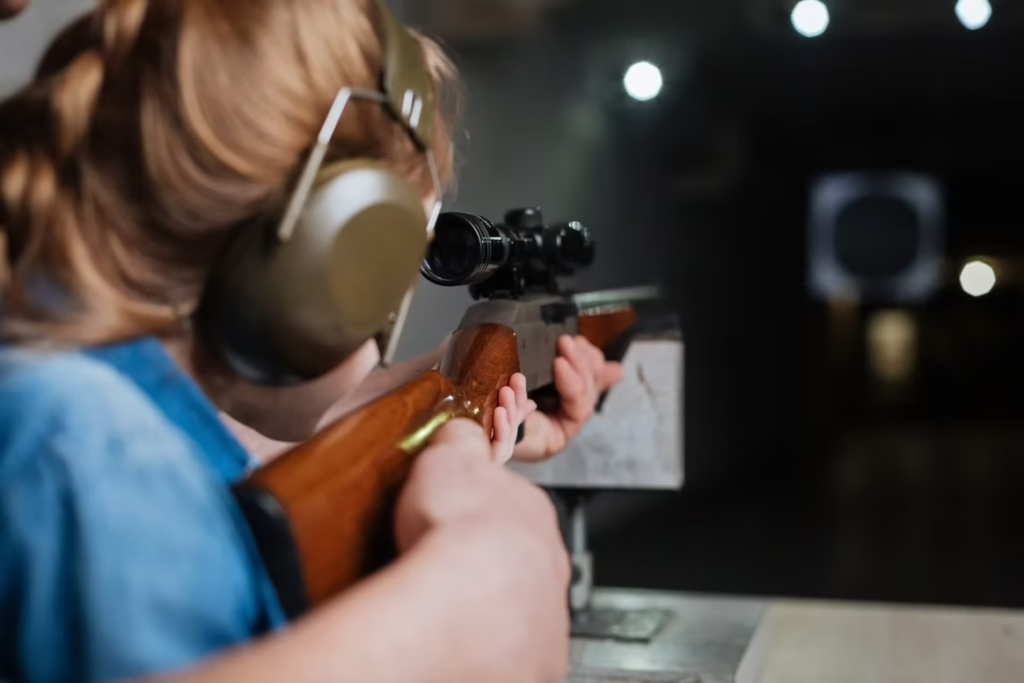

Firearm safety can be a difficult topic for families to approach, yet it’s an important one. Children are naturally curious, and when firearms are present in the home or community, that curiosity can sometimes have devastating consequences. In fact, children under 10 account for the majority of unintentional firearm-related hospitalizations. These tragedies highlight why open and early education about gun safety matters. This edition of Questions for Clem explores how to start those conversations with kids.
Woof, woof! When it comes to raising kids, teaching safety and respect for guns early are essential aspects of gun ownership and an important step in ensuring they act responsibly when encountering a firearm. As with any safety topic (fire drills, stranger danger, or swimming safety) conversations about guns should happen regularly and evolve as children grow.
When talking with your children, start by keeping things straight-forward and age-appropriate. Make it part of the normal safety conversation you might have. For younger kids, a simple message works best:
If you ever see a gun, stop, don’t touch it. Guns can really hurt people, and only adults should handle them to keep everyone safe.
Clear and honest language can avoid confusion or hesitation. You might say:
You won’t get in trouble for telling someone about a gun. You’re being smart and safe.
You can also use everyday examples to help make the distinction clearer, such as explaining the difference between a toy gun and a real gun. For instance:
This toy looks like a gun, but it’s just for play. A real gun is very different and must be treated with caution, because it can hurt someone if it’s used the wrong way.
You can also start the conversation with a book; consider visiting the Juneau Public Libraries to find age-appropriate children’s books on gun safety to help guide the discussion.
For older children, you can go deeper, connecting the conversation to what they already know. Ask what they’ve seen in movies, TV shows, or video games, and listen for how they describe it. These questions can reveal misunderstandings and can give you a chance to offer clear corrections, reminding them that in real life, firearms can cause permanent harm and must always be treated with care. You might also talk about peer situations, such as being at a friend’s house where a gun is present, and practice what they could say or do to stay safe. For example, you might say:
If you ever see a gun at a friend’s house, don’t touch it. You can always call me, no matter what.
Practicing these steps can give kids the confidence to act quickly and safely if they ever find themselves in that situation.
If your children are exposed to firearms through hunting, sport shooting, or family hobbies, explain the reasons behind those activities and the responsibility they require. Parents who keep firearms in the home might also consider enrolling their children in an Alaska Hunter Education course, which reinforces safe handling practices and helps young people understand the seriousness of firearm use. The Eddie the Eagle Gunsafe Program advises that parents teach their children that it is never OK to handle a gun without a responsible adult there, to always assume a gun is loaded, and to never point a gun at someone. Let them know that these rules don’t change no matter where they are, who they’re with, or what kind of gun they see.
For families who own guns, prioritizing safe storage is strongly recommended as a key way to reduce the risk of accidental injury. Many experts suggest storing firearms unloaded and locked, with ammunition kept in a separate location. Tools like gun safes, lockboxes, and trigger locks are generally considered more secure than simply hiding a firearm. Storing keys or combinations in places inaccessible to children adds another layer of safety. It’s also advisable to get into the habit of unloading and properly securing any firearm as soon as you’re back from activities like hunting or target shooting.
Gun safety is about allowing curiosity to be met with education. The goal is to keep the door open for questions, set clear expectations, and make sure children know safety always comes first. By talking with your kids you can replace fear with understanding. Talk early. Talk often. And lead by example.
Talking with kids about gun safety doesn’t have to be an overwhelming conversation, it can grow naturally as they do. One simple step you can take right now is to ensure firearms are stored securely and out of reach. Free gunlocks are available through the NAMI Juneau office, and using them can make a life-saving difference.
Many tail-wags to you,